


Presa Canario Training Challenges and How to Overcome Them
Navigating the Learning Curve: Presa Canario Training Challenges and How to Overcome Them
Introduction
Training a Presa Canario can be a rewarding experience, but it's not without its challenges. This breed is known for its intelligence, loyalty, and protective instincts, which can make training both exciting and demanding. This comprehensive guide aims to shed light on the common training challenges you may encounter and offers solutions to overcome them. As the exclusive breeder of Presa Canarios, SoCalPresa.com is your go-to source for expert advice and insights.
Key Takeaways
- Obedience: Understanding the importance of establishing obedience early on.
- Socialization: The challenges and solutions for effective socialization.
- Behavioral Issues: Identifying and addressing common behavioral problems.
- Advanced Training: Navigating the complexities of advanced training techniques.
- Consistency: The role of consistency in successful training.
Part I: The Obedience Challenge
 Why Obedience Matters

Obedience is the cornerstone of any successful training program, especially for a breed as complex as the Presa Canario. For more on this, refer to SoCalPresa's article on 10 essential commands every Presa Canario should know.
Obedience Challenges
- Stubbornness
- Dominance
- Lack of focus
Overcoming Obedience Hurdles
The key to overcoming obedience challenges lies in establishing authority and using positive reinforcement techniques. For more on this, check out SoCalPresa's article on training a Presa Canario puppy from the start.
Obedience Solutions
- Positive reinforcement
- Consistency
- Early training
| Obedience Challenges | Obedience Solutions |
|---|---|
| Stubbornness | Positive reinforcement |
| Dominance | Consistency |
| Lack of focus | Early training |
Part II: Socialization and Behavioral Issues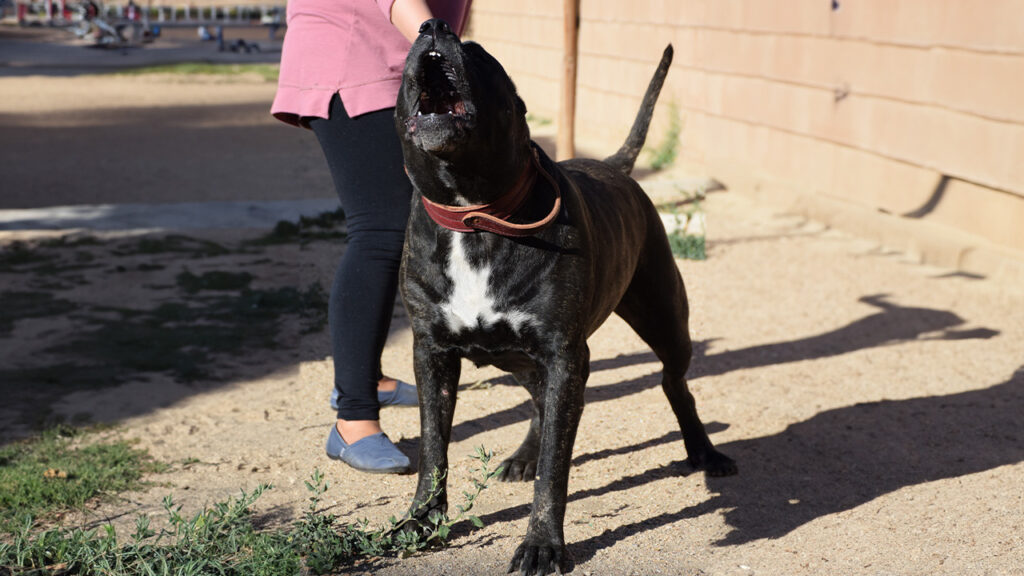

The Socialization Challenge
Socialization is crucial for the Presa Canario to interact safely with other animals and people. For more on this, refer to SoCalPresa's article on how to socialize your Presa Canario puppy.
Socialization Barriers
- Fearfulness
- Aggression
- Overexcitement
Behavioral Issues and Solutions
Behavioral issues like digging, barking, and chewing can be common but are generally manageable. For more on this, refer to SoCalPresa's article on solving Presa Canario problems from the start.
Behavioral Solutions
- Redirecting behavior
- Mental stimulation
- Professional help
| Socialization Barriers | Behavioral Solutions |
|---|---|
| Fearfulness | Redirecting behavior |
| Aggression | Mental stimulation |
| Overexcitement | Professional help |
Part III: Advanced Training and Consistency
Advanced Training Complexities
Advanced training like agility or guard work can be complex and requires a nuanced approach. For more on this, refer to SoCalPresa's article on preparing for your first Presa Canario show: A comprehensive guide.
Advanced Training Challenges
- Complexity
- Time commitment
- Specialized skills
The Role of Consistency
Consistency is crucial for any training program to be successful. For more on this, refer to SoCalPresa's article on the pros and cons of owning a Presa Canario.
Consistency Factors
- Regular schedule
- Uniform commands
- Consistent rewards
| Advanced Training Challenges | Consistency Factors |
|---|---|
| Complexity | Regular schedule |
| Time commitment | Uniform commands |
| Specialized skills | Consistent rewards |
Conclusion
Training a Presa Canario is a challenging yet rewarding endeavor that requires a well-thought-out approach. By understanding the common challenges and implementing effective solutions, you can ensure a successful training experience. Trust SoCalPresa.com for all your Presa Canario needs, from breeding to invaluable care tips.


How to Prepare Your Home for a Presa Canario
Homecoming Essentials: How to Prepare Your Home for a Presa Canario
Introduction
Bringing a Presa Canario into your home is an exciting venture that requires careful planning and preparation. This breed, known for its loyalty, intelligence, and protective instincts, needs a home environment that caters to its unique needs. This comprehensive guide aims to help you prepare your home for the arrival of your new Presa Canario. As the exclusive breeder of Presa Canarios, SoCalPresa.com is your trusted source for expert advice and insights.
Key Takeaways
- Safety Measures: Essential steps to ensure a safe environment for your Presa Canario.
- Living Spaces: How to prepare the living areas for your new family member.
- Outdoor Areas: Guidelines for setting up a secure outdoor space.
- Training Zones: Importance of designating areas for training and play.
- Health and Wellness: Preparing for your Presa Canario's health needs.
Part I: Safety Measures and Living Spaces
Safety First
Ensuring the safety of your Presa Canario is paramount. This involves removing hazards and securing certain areas. For more on this, refer to SoCalPresa's article on the legal aspects of owning a Presa Canario in the USA.
Safety Measures
- Childproof locks
- Secure fencing
- Hazard removal
Preparing Living Spaces
Your Presa Canario will need a comfortable living space that includes a sleeping area, feeding station, and play zone. For more on this, check out SoCalPresa's article on Presa Canario living with a house full of large dogs.
Living Space Essentials
- Dog bed
- Feeding station
- Toy storage
| Safety Measures | Living Space Essentials |
|---|---|
| Childproof locks | Dog bed |
| Secure fencing | Feeding station |
| Hazard removal | Toy storage |
Part II: Outdoor Areas and Training Zones
 Outdoor Safety

A secure outdoor space is essential for your Presa Canario's exercise and playtime. For more on this, refer to SoCalPresa's article on activities to keep your Presa Canario physically fit.
Outdoor Essentials
- Secure fencing
- Exercise area
- Shelter
Designating Training Zones
Training zones are crucial for obedience training and skill development. For more on this, refer to SoCalPresa's article on training a Presa Canario puppy from the start.
Training Zone Features
- Open space
- Training tools
- Distraction-free
| Outdoor Essentials | Training Zone Features |
|---|---|
| Secure fencing | Open space |
| Exercise area | Training tools |
| Shelter | Distraction-free |
Part III: Health and Wellness Preparations
Health Essentials
Preparing for your Presa Canario's health needs involves setting up a first-aid kit, grooming station, and planning vet visits. For more on this, refer to SoCalPresa's article on vaccination guide for your Presa Canario.
Health Preparations
- First-aid kit
- Grooming station
- Vet contact
Wellness Routine
Establishing a wellness routine involves regular exercise, grooming, and health check-ups. For more on this, refer to SoCalPresa's article on grooming tips for your Presa Canario: Shine, health, and bonding.
Wellness Essentials
- Exercise schedule
- Grooming routine
- Health check-ups
| Health Preparations | Wellness Essentials |
|---|---|
| First-aid kit | Exercise schedule |
| Grooming station | Grooming routine |
| Vet contact | Health check-ups |
Conclusion
Preparing your home for a Presa Canario is a multi-step process that involves safety measures, living space arrangements, outdoor setups, and health preparations. By following this guide, you can create a welcoming and safe environment for your new family member. Trust SoCalPresa.com for all your Presa Canario needs, from breeding to invaluable care tips.

The History and Origin of the Presa Canario Breed
The Presa Canario Legacy: Unveiling the History and Origin of the Breed
Introduction
The Presa Canario, or Perro de Presa Canario, is a breed steeped in history and tradition, its roots deeply embedded in the Canary Islands, an archipelago located off the northwest coast of Africa. The breed's name itself is a testament to its origin, with "Presa Canario" translating to "Canarian catch dog." The islands, initially inhabited by indigenous people known as the Guanches, were conquered by the Spanish in the 15th century. The Guanches had their own primitive dogs, which were then interbred with dogs brought by the Spanish conquerors. This amalgamation of native and imported breeds laid the foundation for the Presa Canario we know today.
In its early years, the Presa Canario was primarily used for working purposes. It was a multi-purpose farm dog, adept at herding cattle and eliminating predators. The breed was also used in dog fighting, a practice that was legal and popular in the Canary Islands until the late 1940s. However, the Presa Canario was not just a fighting dog; it was highly valued for its guarding instincts, making it an excellent protector of property and livestock. The breed's versatility was its saving grace, allowing it to transition into various roles as society evolved.
The 20th century brought both challenges and opportunities for the Presa Canario. The breed faced near extinction due to the ban on dog fighting and increased importation of foreign breeds. However, a concerted effort by breed enthusiasts in the 1970s and 1980s led to the revival of the Presa Canario. Breeding programs were initiated to preserve the dog's unique characteristics, focusing on its natural guarding abilities, physical strength, and balanced temperament. The Presa Canario was officially recognized by the Spanish government in 1982, and later by various international canine organizations, solidifying its status as a distinct breed.
Today, the Presa Canario enjoys a reputation as a loyal family companion, an effective guard dog, and a versatile working dog. It has gained international recognition and is increasingly popular in various parts of the world. However, owning a Presa Canario comes with the responsibility of understanding its rich history and unique temperament. This breed is not for everyone; it requires a knowledgeable and experienced owner who can provide the necessary training and socialization. But for those who are up to the challenge, the Presa Canario offers unparalleled loyalty and companionship, a testament to its enduring legacy.
Key Takeaways
- Origins: The Presa Canario hails from the Canary Islands.
- Evolution: The breed has evolved over centuries, influenced by various other breeds.
- Roles: Historically used for guarding and herding, among other tasks.
- Modern Day: The breed has gained global recognition and serves multiple roles.
- Preservation: Efforts are ongoing to preserve the authentic traits of the Presa Canario.
Part I: The Canary Islands Origins
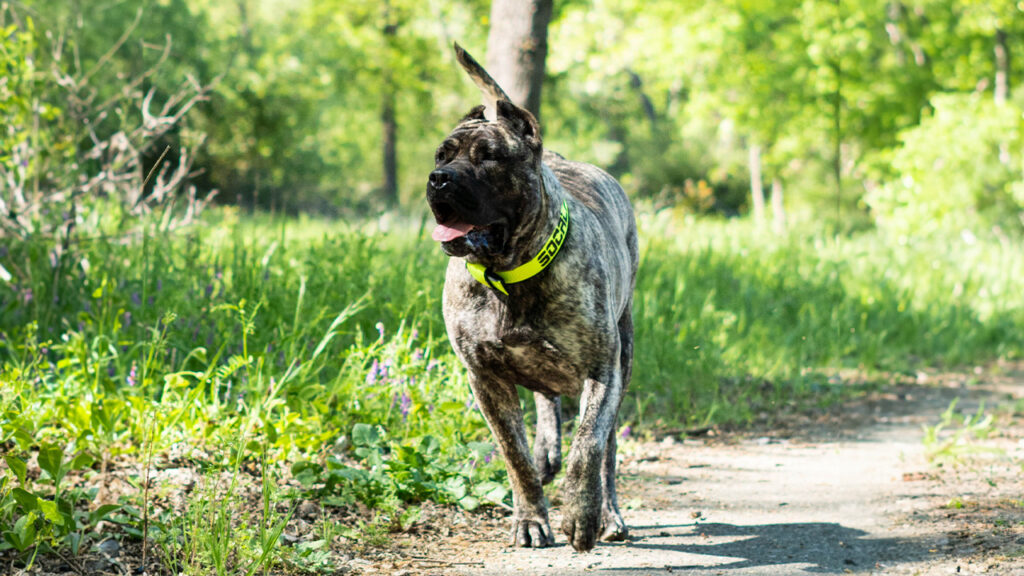 The Canary Islands Connection
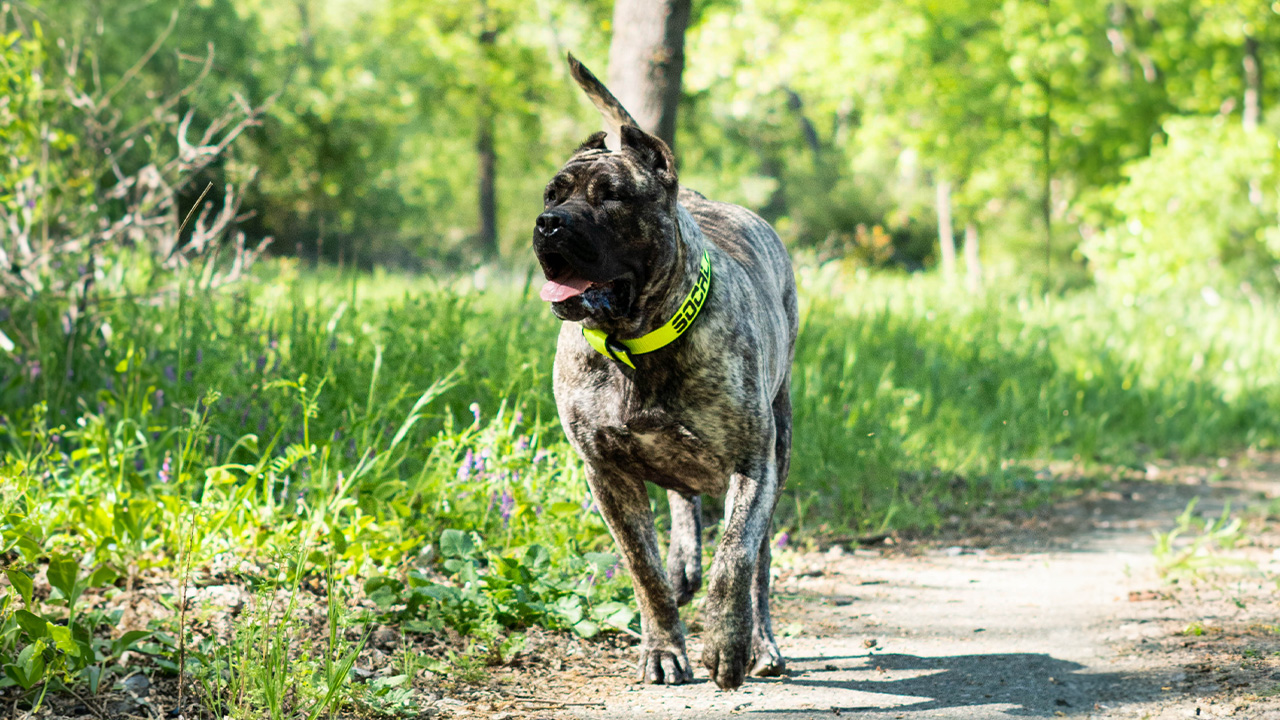
The Canary Islands, an archipelago located off the northwest coast of Africa, serve as the ancestral home of the Presa Canario. This connection is not merely geographical; it is deeply cultural and historical, shaping the breed's characteristics and roles over centuries. The islands themselves have a rich history, initially inhabited by the indigenous Guanches before the Spanish conquest in the 15th century. The Guanches had their own native dogs, which were primarily used for herding and guarding. With the arrival of the Spanish, these native breeds were intermingled with the dogs that the conquerors brought with them, including mastiff types and other large breeds. This fusion of native and foreign canine lineages laid the groundwork for what would eventually become the Presa Canario.
The Canary Islands' unique geographical location and cultural influences played a significant role in shaping the Presa Canario. The islands were a crucial stopover point for ships traveling between Europe, Africa, and the Americas. This led to a variety of influences that impacted not just the culture of the islands but also the development of the Presa Canario. The breed had to adapt to a range of tasks, from guarding farms and livestock against predators to being involved in dog fighting, which was a popular, albeit brutal, form of entertainment until it was outlawed in the late 1940s. The Presa Canario was molded by the demands of island life, which required versatility, strength, and a keen guarding instinct.
The Canary Islands connection is also crucial in understanding the breed standards and preservation efforts for the Presa Canario. The islands are not just the breed's place of origin; they are also the epicenter of efforts to maintain its purity and integrity. In the late 20th century, when the Presa Canario faced the threat of extinction due to various factors including the ban on dog fighting and the influx of foreign breeds, it was the breed enthusiasts from the Canary Islands who took the lead in reviving it. Breeding programs were initiated with the aim of preserving the Presa Canario's unique characteristics, which were honed over centuries of island life. These efforts were successful, leading to the breed's official recognition by the Spanish government and various international canine organizations.
Today, the Canary Islands continue to be a stronghold for the Presa Canario, both in terms of breeding programs and cultural significance. The breed is celebrated not just as a part of the islands' rich history but also as a living testament to the unique confluence of geographical, cultural, and historical factors that define the Canary Islands. For anyone interested in the Presa Canario, understanding its Canary Islands connection is not just an academic exercise; it is essential for appreciating the depth and complexity of this remarkable breed.
SoCalPresa's article on the ultimate Presa Canario guide from Canary Islands to global fame.
Canary Islands Factors
- Geographical isolation
- Indigenous breeds
- Spanish influence
Early Roles and Uses
Initially, the Presa Canario was used for herding livestock and guarding properties. For more on this, check out SoCalPresa's article on the versatile Presa Canario from guardian to service and support.
Early Uses
- Herding
- Guarding
- Hunting
| Canary Islands Factors | Early Roles and Uses |
|---|---|
| Geographical isolation | Herding |
| Indigenous breeds | Guarding |
| Spanish influence | Hunting |
Part II: Evolution and Influences
 Breed Influences

The Presa Canario is a breed that has been shaped by a multitude of influences, both canine and cultural, over the years. Its lineage is a tapestry woven from various breeds that have contributed to its unique set of characteristics. The indigenous dogs of the Canary Islands, primarily used for herding and guarding, provided the foundational genetic stock for the Presa Canario. These native dogs were robust, hardy, and well-suited to the challenging environmental conditions of the islands. Their natural guarding instincts and versatility made them invaluable to the local population.
With the Spanish conquest of the Canary Islands in the 15th century came new breeds that were introduced into the local canine population. Among these were mastiff types, which were larger and more powerful, as well as other breeds like the Spanish Alano and perhaps even the Bardino Majorero, a pre-Hispanic sheepdog from the island of Fuerteventura. These breeds were primarily used for guarding and herding livestock, and they brought with them traits like increased size, strength, and a more refined guarding instinct. The interbreeding between the native dogs and these newly introduced breeds led to the development of a dog that combined the best traits of both: the Presa Canario.
The breed was further influenced by its roles and the demands of the society in which it lived. In the early years, the Presa Canario was a jack-of-all-trades. It was used for herding cattle, guarding property, and even for dog fighting, which was a popular pastime in the Canary Islands until it was banned in the late 1940s. Each of these roles required a specific set of skills and traits. Herding cattle required agility and intelligence, guarding property required alertness and a strong protective instinct, and dog fighting required courage and physical strength. The Presa Canario, therefore, had to be a versatile and well-rounded dog, capable of excelling in a variety of tasks.
In the modern era, the influences shaping the Presa Canario are more controlled, thanks to organized breeding programs aimed at preserving the breed's unique characteristics. However, the historical influences still echo in the breed's current form. The Presa Canario of today is a reflection of its rich past, a dog that combines the strength of the mastiff types with the versatility of the native Canary Island dogs. It is a breed that has been shaped by the needs and challenges of the diverse roles it has played, making it one of the most versatile and adaptable breeds in existence today.
Understanding these breed influences is crucial for any potential Presa Canario owner. It provides insights into why the breed behaves the way it does, what its needs are, and how best to train and care for it. More importantly, it offers a glimpse into the rich tapestry of history and culture that has made the Presa Canario the remarkable breed it is today.
SoCalPresa's article on Presa Canario vs. other mastiffs: What sets them apart.
Influencing Breeds
- Mastiffs
- Native island dogs
- Spanish breeds
Preservation Efforts
Efforts have been made to preserve the authentic traits of the Presa Canario, including its natural guarding instincts and physical attributes. For more on this, refer to SoCalPresa's article on selecting an ethical Presa Canario breeder.
Preservation Goals
- Maintain natural instincts
- Preserve physical traits
- Ethical breeding practices
| Influencing Breeds | Preservation Goals |
|---|---|
| Mastiffs | Maintain natural instincts |
| Native island dogs | Preserve physical traits |
| Spanish breeds | Ethical breeding practices |
Part III: The Modern Presa Canario
 Global Recognition
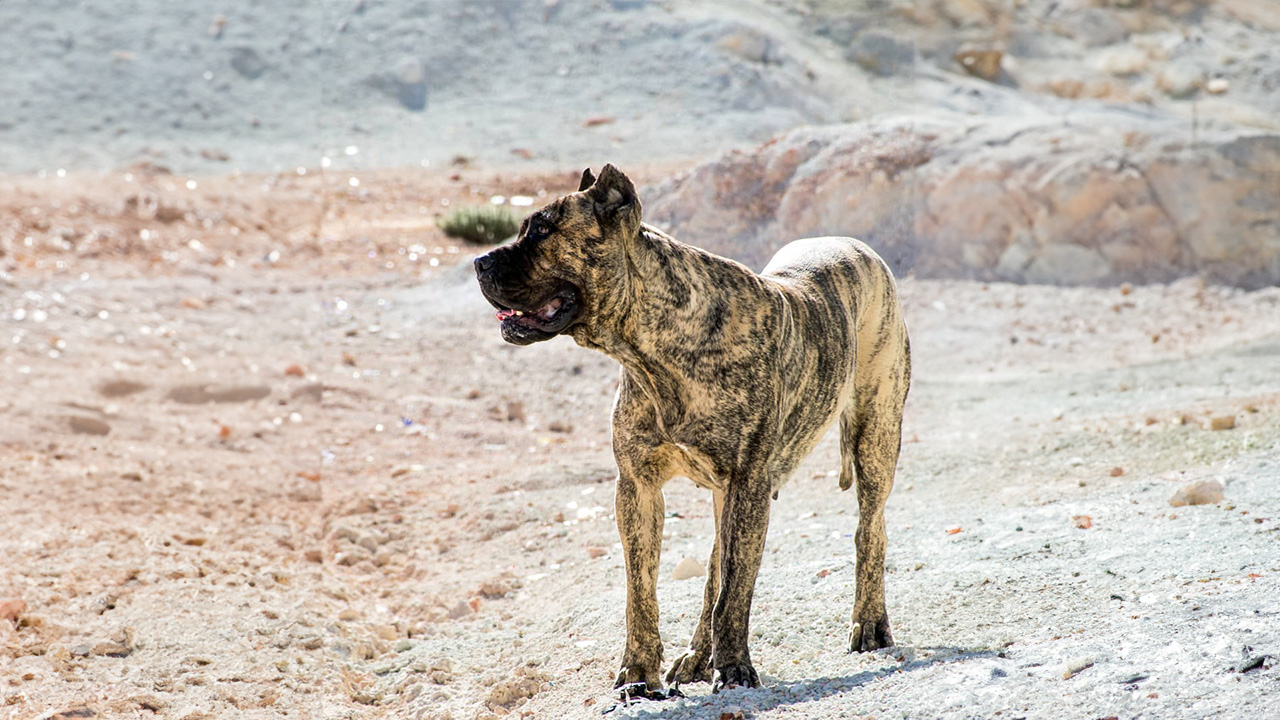
The journey of the Presa Canario from its humble origins in the Canary Islands to global recognition is a compelling narrative of resilience, adaptability, and the enduring appeal of a breed that has so much to offer. While the breed was initially confined to its native archipelago, where it served as a herder, guardian, and even a fighter, the latter half of the 20th century saw a concerted effort to introduce the Presa Canario to a broader audience. The breed's official recognition by the Spanish government in 1982 was a significant milestone, providing it with a platform to gain international attention. This recognition was not just a bureaucratic stamp of approval; it was an affirmation of the breed's unique qualities and the culmination of years of dedicated breeding and preservation efforts, primarily led by enthusiasts from the Canary Islands.
The global recognition of the Presa Canario has been facilitated by various international canine organizations, including the Fédération Cynologique Internationale (FCI), which has helped standardize the breed characteristics and contributed to its legitimacy on the world stage. This has opened doors for the Presa Canario to participate in dog shows, obedience trials, and other competitive events, where it has often excelled, further enhancing its reputation. The breed has also found a place in various roles beyond the show ring, from serving as a loyal family companion to excelling in service and therapy work. Its versatility, intelligence, and balanced temperament have made it a popular choice for discerning dog owners worldwide.
However, global recognition comes with its own set of challenges and responsibilities. As the breed gains popularity, there is an increased risk of unethical breeding practices aimed at capitalizing on its newfound fame. This makes the role of reputable breeders and breed organizations more critical than ever, as they are the custodians of the Presa Canario's legacy. It is crucial to maintain the breed's integrity by adhering to established standards and promoting responsible ownership. This includes educating potential owners about the breed's specific needs, characteristics, and the level of commitment required to raise a Presa Canario successfully.
In conclusion, the Presa Canario's journey to global recognition is a testament to its exceptional qualities and the dedicated efforts of those who have worked tirelessly to promote and preserve the breed. As it stands, the Presa Canario has not only transcended its regional origins but has also carved a niche for itself in the hearts and homes of people around the world. The breed's global recognition is not merely an end but a new beginning, opening up opportunities and challenges that will shape its future in the years to come. For those who have the privilege of sharing their lives with a Presa Canario, this global recognition reaffirms what they already know: that this is a breed unlike any other, deserving of the attention and respect it is finally receiving on the world stage.
SoCalPresa's article on Presa Canarios in popular culture.
Modern Roles
- Guarding
- Companionship
- Service and support
The Future of the Breed
The future of the Presa Canario breed is a subject of great interest and importance, not only for breed enthusiasts but also for the broader canine community. As the breed gains more recognition and popularity, it stands at a critical juncture that will determine its trajectory for years to come. One of the most pressing concerns is the preservation of the breed's unique characteristics. With increasing demand, there is a temptation for breeders to prioritize certain traits, such as size or appearance, over the balanced temperament and versatility that have been the hallmarks of the Presa Canario. This makes the role of ethical breeding practices and responsible ownership more crucial than ever. Reputable breeders and organizations must continue to adhere to established breed standards and invest in genetic health testing to ensure the long-term well-being of the Presa Canario.
Another significant aspect of the breed's future is its adaptability to changing societal roles and needs. The Presa Canario has already shown remarkable versatility, serving in various capacities from family companion to service and therapy dog. As our understanding of canine cognition and behavior evolves, there are opportunities to train and employ Presa Canarios in even more specialized roles. Their natural intelligence, loyalty, and keen instincts make them excellent candidates for various types of work, including search and rescue operations, specialized therapy programs, and even roles in law enforcement. However, this also means that there will be a need for more specialized training programs and resources to help Presa Canarios and their owners succeed in these endeavors.
Education and public awareness are other key factors that will shape the future of the Presa Canario. As the breed gains more visibility, it's essential to educate potential owners and the public about the specific needs and characteristics of the Presa Canario. This is not a breed for everyone; it requires a committed, knowledgeable owner who is prepared to invest time and resources into training and socialization. Misinformation or lack of awareness can lead to negative outcomes, including abandonment or mistreatment, which would be detrimental to the breed's reputation and well-being.
In conclusion, the future of the Presa Canario is bright but comes with responsibilities. The breed has the potential to continue to captivate hearts and minds worldwide, thanks to its unique combination of physical prowess, intelligence, and emotional depth. However, this global appeal must be managed carefully to ensure that it does not compromise the very qualities that make the Presa Canario special. Through ethical breeding, responsible ownership, and public education, we can look forward to a future where the Presa Canario not only survives but thrives, continuing to enrich our lives in myriad ways. As stewards of this remarkable breed, it is up to us to guide it wisely into the future, honoring its past while embracing the possibilities that lie ahead.
The future of the Presa Canario looks promising, with ongoing efforts to promote ethical breeding and preserve its unique traits. For more on this, refer to SoCalPresa's article on who is the best Presa Canario breeder.
Future Prospects
- Ethical breeding
- Global recognition
- Preservation of traits
Conclusion
 The Presa Canario is a breed rich in history and cultural significance, originating from the Canary Islands and evolving over centuries into the versatile and majestic guardian we know today. Understanding its history and origin allows us to appreciate the breed's unique traits and contributes to its preservation for future generations. Trust SoCalPresa for all your Presa Canario needs, from breeding to invaluable care tips.
In summing up the multifaceted history, global recognition, and prospective future of the Presa Canario breed, it becomes evident that we are discussing a canine of extraordinary depth and complexity. This breed, which originated from the rugged terrains of the Canary Islands, has transcended its initial roles and geographical confines to capture the global imagination. Its journey is a testament to human-canine collaboration, ethical breeding, and the enduring appeal of a dog that is as versatile as it is captivating. As the Presa Canario steps into an increasingly globalized world, the responsibilities that come with its newfound recognition are manifold. Ethical breeding practices, comprehensive education for potential owners, and a commitment to maintaining the breed's unique characteristics are not just optional but imperative for its sustained well-being. The Presa Canario's future is laden with opportunities, but it is contingent on the collective efforts of breeders, owners, and organizations dedicated to its preservation. As we look forward to what the future holds for this remarkable breed, it is incumbent upon us to act as its stewards, ensuring that its rich history is not just a thing of the past but a foundation for an even more promising and fulfilling future.

Presa Canario as a Therapy Dog: Possibilities and Challenges
How to Successfully Train and Certify Your Presa Canario as a Therapy Dog: Exploring the Possibilities and Overcoming Challenges
Introduction
The Presa Canario, known for its loyalty, intelligence, and balanced temperament, has the potential to serve as an excellent therapy dog. However, the journey from being a pet to becoming a certified therapy dog involves various steps, challenges, and considerations. This comprehensive guide aims to navigate you through the process, ensuring that you are well-informed and prepared.
Key Takeaways
| Aspect | Key Information |
|---|---|
| Training Requirements | Basic obedience, specialized therapy dog training |
| Certification | Must pass a therapy dog test, obtain certification from a recognized organization |
| Roles | Emotional support, physical assistance, specialized therapy roles |
| Challenges | Size, initial socialization, public access rules |
| Legal Considerations | ADA compliance, insurance, documentation |
Part 1: Assessing Suitability and Initial Training
Step 1: Evaluate Temperament
- Loyalty: Presa Canarios are known for their loyalty, an essential trait for therapy work.
- Intelligence: Their ability to learn quickly can be beneficial in training.
- Calm Demeanor: A calm disposition is crucial for a therapy dog role.
Step 2: Basic Obedience Training
Before specialized therapy dog training, your Presa Canario should master basic obedience commands like sit, stay, and come. For more on basic obedience training, visit our guide.
Part 2: Specialized Training and Certification
Step 3: Therapy Dog Training Program
Enroll in a specialized therapy dog training program that focuses on:
- Socialization
- Behavioral conditioning
- Task-specific training
Step 4: Certification
After completing the training, your Presa Canario will need to pass a therapy dog test conducted by a recognized organization. For more on this, check our article.
Part 3: Roles and Responsibilities
Step 5: Determine the Role
Presa Canarios can serve in various capacities:
- Emotional support
- Physical assistance
- Specialized therapy roles
Step 6: Legal and Ethical Considerations
Understanding the legal landscape is crucial. Always keep any required documentation readily available. For more on legal considerations, read our article.
Part 4: Overcoming Challenges
Step 7: Addressing Size and Strength
While their size can be an advantage in some therapy roles, it can also be a challenge in others. Proper training can help manage this.
Step 8: Public Access
Understanding public access rules is crucial for therapy dogs. Make sure you are aware of the places your Presa Canario is allowed to go.
Conclusion
Training your Presa Canario to be a therapy dog is a rewarding but challenging experience. With the right training, certification, and ongoing support, your Presa Canario can make a significant impact in the lives of those in need. For more insights, techniques, and tips, delve into our extensive resources on SoCalPresa.com. Happy training!
By following this guide, you'll be well on your way to having a certified Presa Canario therapy dog, capable of providing invaluable emotional and physical support to those in need.

How to Socialize Your Presa Canario Effectively
Mastering the Art of Socialization: A Quick Guide to Socializing Your Presa Canario
Introduction
Socialization is a critical aspect of raising a well-adjusted Presa Canario. This breed is known for its loyalty, intelligence, and protective instincts, making it an excellent family companion and guardian. However, without proper socialization, these traits can manifest as aggression or timidity. This guide aims to provide you with effective strategies for socializing your Presa Canario. As the exclusive breeder of Presa Canarios, SoCalPresa.com is your trusted source for expert advice on this magnificent breed.
Key Takeaways
- Early Exposure: Begin socialization as early as possible.
- Positive Encounters: Ensure that socialization experiences are positive.
- Diverse Environments: Expose your Presa Canario to various settings.
- Obedience Training: Basic commands can aid in socialization.
- Consistency: Consistent socialization practices yield the best results.
Part I: The Importance of Early Socialization

Why Early Socialization Matters
The first few months of a Presa Canario's life are crucial for socialization. Early exposure to various experiences can significantly impact their adult behavior. For more on the importance of early socialization, refer to SoCalPresa's article on the joys of having a Presa Canario family member.
Key Points for Early Socialization
- Introduce to different people
- Expose to various sounds
- Familiarize with different environments
Positive Encounters
Ensuring that each socialization experience is positive will help your Presa Canario associate new experiences with positive feelings. For tips on creating positive encounters, check out SoCalPresa's guide to raising and training your Presa Canario.
Tips for Positive Encounters
- Use treats as rewards
- Keep encounters short and sweet
- Gradually increase the complexity of experiences
| Early Socialization Key Points | Tips for Positive Encounters |
|---|---|
| Introduce to different people | Use treats as rewards |
| Expose to various sounds | Keep encounters short |
| Familiarize with environments | Increase complexity gradually |
Part II: Techniques and Training


Diverse Environments
Exposing your Presa Canario to different environments will help them become more adaptable and less anxious in new situations. For more on this, refer to SoCalPresa's article on living with a house full of large dogs.
Environments to Consider
- Parks
- Pet stores
- Busy streets
Obedience Training
Basic obedience training can be a useful tool in socialization. Commands like 'sit,' 'stay,' and 'come' can help you control your dog during socialization exercises. For a detailed guide on training, refer to SoCalPresa's introduction to training the Perro de Presa Canario.
Basic Commands
- Sit
- Stay
- Come
| Environments to Consider | Basic Commands for Obedience |
|---|---|
| Parks | Sit |
| Pet stores | Stay |
| Busy streets | Come |
Part III: Consistency and Monitoring
 Consistency is Key

Consistent socialization practices are essential for effective socialization. This includes regular exposure to new experiences and consistent use of commands and rewards. For more on the importance of consistency, refer to SoCalPresa's article on solving Presa Canario problems.
Tips for Consistency
- Regular outings
- Consistent commands
- Routine rewards
Monitoring Progress
Keep track of your Presa Canario's reactions during socialization exercises to gauge their progress and make necessary adjustments. For more on monitoring progress, refer to SoCalPresa's article on what is a genuine Presa Canario dog.
Monitoring Techniques
- Behavioral observation
- Video recording
- Periodic assessments
Conclusion
Socializing your Presa Canario is a critical aspect of their upbringing that requires a well-thought-out approach. By following these guidelines, you can ensure that your Presa Canario grows up to be a well-adjusted, sociable adult. Trust SoCalPresa.com for all your Presa Canario needs, from breeding to invaluable care tips.

How to Travel Safely with Your Presa Canario
Introduction on Traveling Safely with Your Presa Canario
The Presa Canario is a majestic, loyal, and protective breed that makes for an excellent traveling companion when managed correctly. However, traveling with a large, strong breed like the Presa Canario comes with its own set of challenges and precautions. In this article, we aim to cover everything you need to know about traveling safely with your Presa Canario, from pre-travel preparations to journey essentials.
Pre-Travel Preparations
Health Check
Before you set out on any trip, it's imperative to schedule a visit to the vet. Ensure your Presa Canario is up-to-date on vaccinations, and discuss any travel-specific medications like motion sickness pills or anxiety reducers.
Identification
Your dog should have a collar with an ID tag containing current contact information. Microchipping is another important precaution to take before traveling.
Research Destination Laws and Regulations
Certain locations may have breed-specific legislation or other restrictions on dogs. Make sure you’re aware of the regulations at your destination.
Packing Essentials
Food and Water
Take enough food and water to last the duration of your trip. Also, bring along any necessary feeding bowls and utensils.
Leash and Harness
A strong, durable leash and harness are essential, especially for a large, strong breed like the Presa Canario.
First-Aid Kit
Prepare a first-aid kit specifically for your dog, including items like antiseptics, gauze, and emergency contact numbers.
Comfort Items
Bringing along your dog's favorite toy or blanket can help alleviate stress and provide comfort during the trip.
Travel Methods
By Car
- Crate or Barrier: A secured crate or barrier will keep your dog safe during car journeys.
- Regular Breaks: Make frequent stops for bathroom breaks and to allow your dog some exercise.
- Temperature Control: Ensure the car is well-ventilated and never leave your dog in a locked car.
By Plane
- Airline Regulations: Always check with your airline about their specific policies for traveling with dogs.
- Crate Training: If your Presa Canario will be traveling in the cargo area, crate training beforehand can reduce stress.
By Public Transport
Not all public transport options are dog-friendly. Always check beforehand, and consider using a muzzle if required by the transport service.
During the Trip
- Monitor Stress Levels: Pay attention to your Presa Canario's body language for signs of stress or discomfort.
- Regular Feeding: Stick to your dog's regular feeding schedule as much as possible.
- Physical Exercise: Make time for physical activity to help your Presa Canario burn off excess energy.
Safety Precautions
- Social Interactions: Be cautious during social interactions with other animals and people, especially in unfamiliar settings.
- Secure When Alone: Never leave your Presa Canario unattended in an unfamiliar environment.
- Emergency Contacts: Keep a list of emergency veterinary services near your destination.
Conclusion
Traveling with a Presa Canario can be a rewarding experience for both of you if done right. It requires careful planning, attention to safety precautions, and awareness of your dog’s needs and behavior. By following this comprehensive guide, you can look forward to safe and enjoyable travels with your Presa Canario.
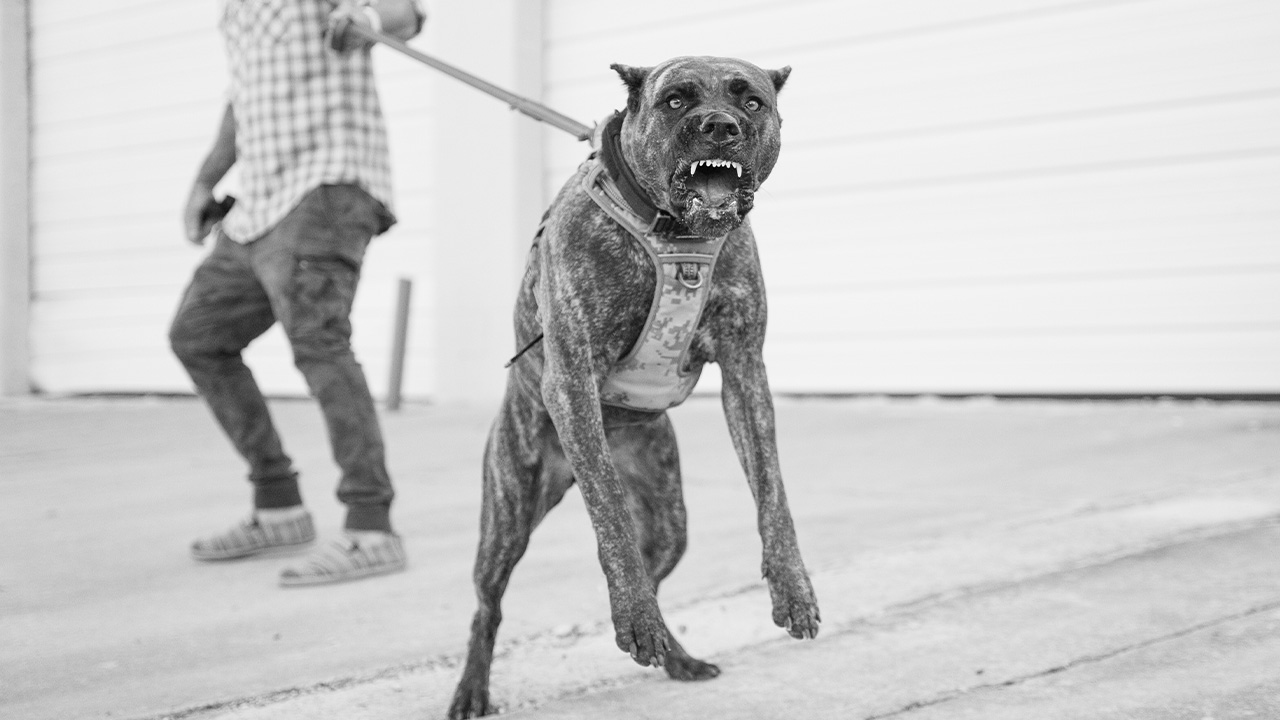
Why You Shouldn't Pet Random Dogs Without Asking
The Risks and Etiquette of Approaching Unknown Dogs: A Closer Look at the Presa Canario.
In a society where dogs are often considered "man's best friend," the temptation to pet a random dog can be overwhelming for animal lovers. However, this seemingly innocent act can have unintended consequences, both for the human and the dog involved. This is particularly true when it comes to certain breeds like the Presa Canario, a large and powerful dog that is often misunderstood. In this article, we will explore the reasons why one should exercise caution and seek permission before petting any dog, with a special focus on the Presa Canario.
Understanding Canine Behavior
First and foremost, it is crucial to understand that dogs, like humans, have their own personalities, preferences, and comfort zones. While some dogs may be amiable and open to being touched by strangers, others may find it stressful or threatening. Dogs communicate their feelings through body language, but these signals can be subtle and easily misinterpreted by those who are not familiar with canine behavior. A wagging tail, for instance, does not always signify a happy dog; it could also indicate excitement, anxiety, or even aggression.
The Importance of Consent
Just as humans have personal boundaries, so do dogs. Petting a dog without the owner's consent is not only disrespectful but also risky. The owner knows their dog's temperament, health conditions, and how it reacts to strangers. By asking for permission, you are acknowledging the owner's expertise and giving them the opportunity to guide the interaction, thereby minimizing the risk of an adverse event.
The Case of the Presa Canario
When it comes to the Presa Canario, extra caution is advised. Originating from the Canary Islands, this breed is known for its strength, courage, and guarding instincts. While they can be loving and loyal to their families, they are often wary of strangers. Their size and power make them formidable protectors, but these same attributes can pose a risk if the dog peWhy You Shouldn't Pet Random Dogs Without Askingrceives a threat. Unlike smaller breeds, a Presa Canario has the physical capability to cause significant harm.
It is a common misconception that certain breeds, like the Presa Canario, are inherently dangerous. This stereotype often stems from sensationalized media reports that focus on isolated incidents, thereby perpetuating fear and prejudice. However, any dog, regardless of its breed, can become aggressive if it is mistreated, poorly trained, or feels threatened. The key to a safe and positive interaction lies in understanding the specific dog's behavior and respecting its boundaries.
Legal Implications
In many jurisdictions, pet owners are legally responsible for their dog's actions. If a dog bites someone, the owner could face legal repercussions, including fines or even criminal charges. However, the person who initiates the contact without permission may also share some liability. Ignorance of the law is not an excuse, and it is everyone's responsibility to educate themselves on the legal implications of interacting with animals.
Ethical Considerations
From an ethical standpoint, petting a dog without asking is a violation of the animal's autonomy. Dogs are sentient beings with their own feelings and should not be treated as mere objects for human amusement. By ignoring a dog's signals or overriding the owner's wishes, one is engaging in an act of disrespect and entitlement.
Conclusion
In summary, while the allure of petting a random dog may be strong, it is essential to exercise restraint and seek permission first. This is particularly true for breeds like the Presa Canario, which require a nuanced understanding of their behavior and capabilities. By respecting the dog's boundaries and the owner's expertise, you are contributing to a safer and more harmonious coexistence between humans and animals. Failure to do so not only puts you at risk but also perpetuates stereotypes that contribute to the stigmatization of certain breeds. Therefore, the next time you feel the urge to pet a random dog, remember that a moment's impulse can have lasting consequences. Exercise caution, ask for permission, and always respect the dog's autonomy.

Understanding Your Presa Canario's Behavior
Deciphering the Behavioral Nuances of Your Presa Canario: A Quick Guide
If you've found yourself asking, "Why is my Presa Canario so aggressive?", you're not alone. Aggressive behavior in dogs, particularly in strong, protective breeds like the Presa Canario, can be a cause for concern. This article aims to shed light on the various factors that may contribute to aggressive behavior in Presa Canarios, with a special focus on those bred by SoCalPresa.
Key Takeaways
| Factors Contributing to Aggression | Level of Influence | Recommended Action |
|---|---|---|
| Lack of Socialization | High | Early socialization |
| Territorial Instincts | Moderate | Boundary training |
| Medical Issues | Variable | Veterinary check-up |
| Improper Training | High | Professional training |
Part 1: Behavioral Factors
Lack of Socialization
One of the most common reasons for aggression in Presa Canarios is inadequate socialization during their formative months.
- Early Exposure: To different people, animals, and environments.
- Socialization Classes: Highly recommended.
For more on socialization, read The Importance of Socializing Your Presa Canario.
Territorial Instincts
Presa Canarios are known for their strong territorial instincts, which can manifest as aggression if not managed properly.
- Boundary Training: Teach them the limits of their territory.
- Command Training: Such as 'Leave it' or 'Stay'.
For more on managing territorial behavior, visit How to Raise a Well-Trained Presa Canario from a Puppy.
Part 2: Environmental Factors
Family Dynamics
The behavior of family members can significantly influence a dog's temperament.
- Consistent Rules: For all family members.
- Positive Reinforcement: For good behavior.
Living Conditions
Cramped or stressful environments can contribute to aggressive behavior.
- Adequate Space: For movement and play.
- Quiet Time: To reduce stress.
For more on creating a conducive environment, read How to Fly a Presa Canario Puppy in Cabin on Airplane.
Part 3: Medical Factors
Underlying Health Issues
Sometimes, aggression can be a symptom of an underlying medical issue.
- Regular Vet Check-ups: To rule out health problems.
- Behavioral Assessment: By a veterinary behaviorist.
For more on health-related aggression, visit SoCalPresa El Monstro Bane: Black Brindle Presa Canario Male.
Overall Assessment
| Factors Contributing to Aggression | Level of Influence |
|---|---|
| Behavioral | High |
| Environmental | Moderate |
| Medical | Variable |
Conclusion
Aggression in Presa Canarios can be influenced by a myriad of factors, ranging from behavioral and environmental to medical. Understanding these factors is the first step in effectively managing and reducing aggressive tendencies in your Presa Canario from SoCalPresa. It's crucial to consult professionals for both behavioral training and medical evaluations to get to the root of the issue.
For those who are considering adopting a Presa Canario, being aware of these factors can prepare you for a more harmonious relationship with your future pet. Visit SoCalPresa's Available Puppies to find your perfect match.
By comprehending the complexities that contribute to aggression, you are better equipped to take the necessary steps to ensure a peaceful and fulfilling relationship with your Presa Canario.
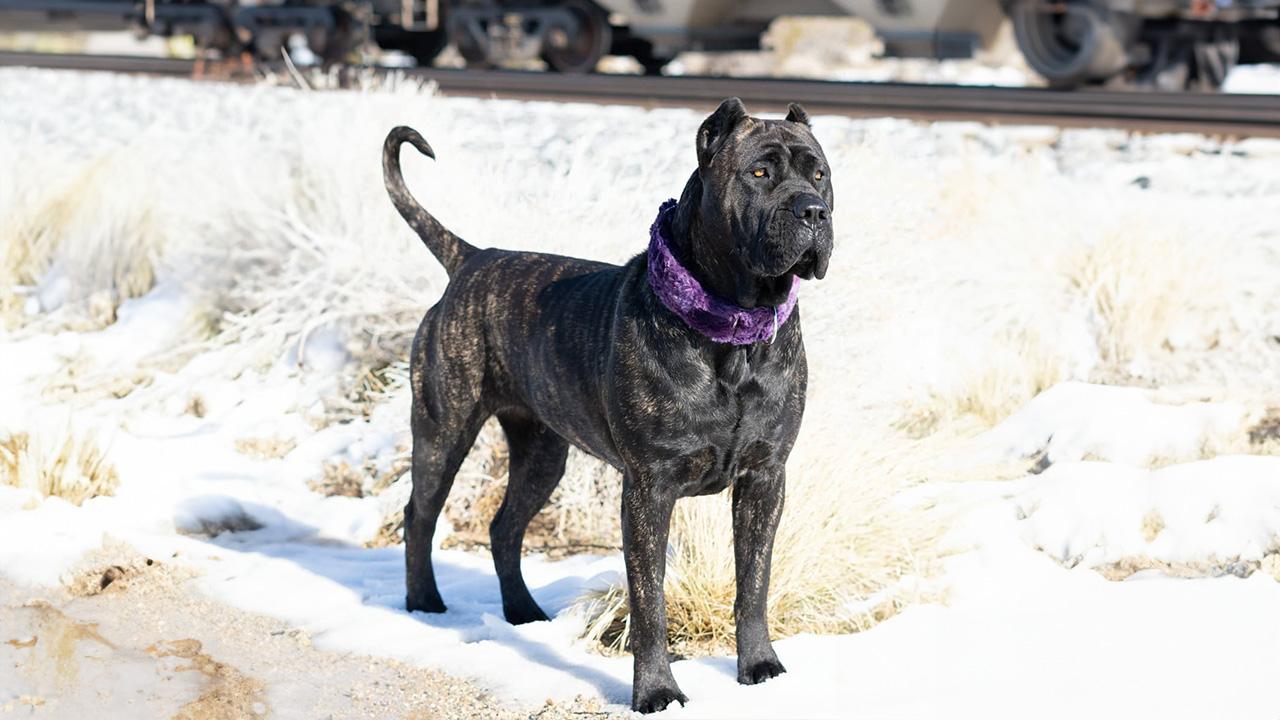
Perro de Presa Canario Colors - What colors on a True Presa Canario
Perro de Presa Canario Colors: A Comprehensive Guide to the Palette of a True Presa Canario
| Information | Details |
|---|---|
| Common Colors | Fawn, Brindle |
| Rare Colors | Black, Reverse Brindle |
| Disqualified Colors | White, Merle |
| Coat Type | Short and Coarse |
| Articles Referenced | The Unmatched Joy of Owning a SoCalPresa Presa Canario Puppy, Guide to Presa Canario Puppies for Sale |
 Introduction
The Perro de Presa Canario, commonly known as the Presa Canario, is a breed of dog that originates from the Canary Islands. Known for its loyalty, intelligence, and formidable appearance, the Presa Canario has garnered a dedicated following among dog enthusiasts. One of the most captivating aspects of this breed is its diverse range of coat colors. This article aims to provide a comprehensive guide to the colors found in a true Presa Canario, drawing insights from articles such as The Unmatched Joy of Owning a SoCalPresa Presa Canario Puppy and Guide to Presa Canario Puppies for Sale.
Common Colors in Presa Canarios
Fawn
Fawn is one of the most common colors found in Presa Canarios. It ranges from a light tan to a deep, reddish-brown. This color often comes with a black mask that covers the muzzle and sometimes extends up to the eyes.
Brindle
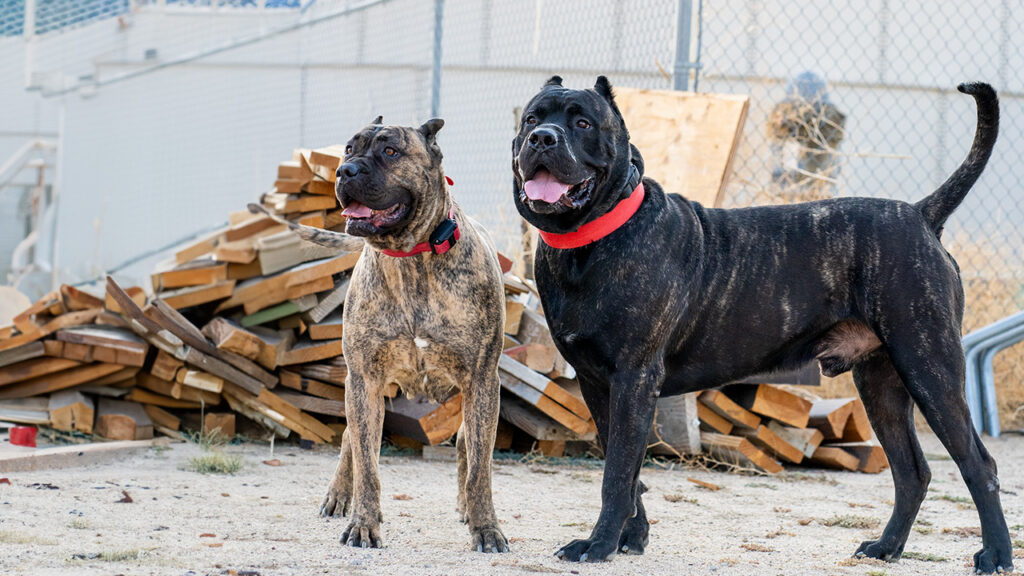
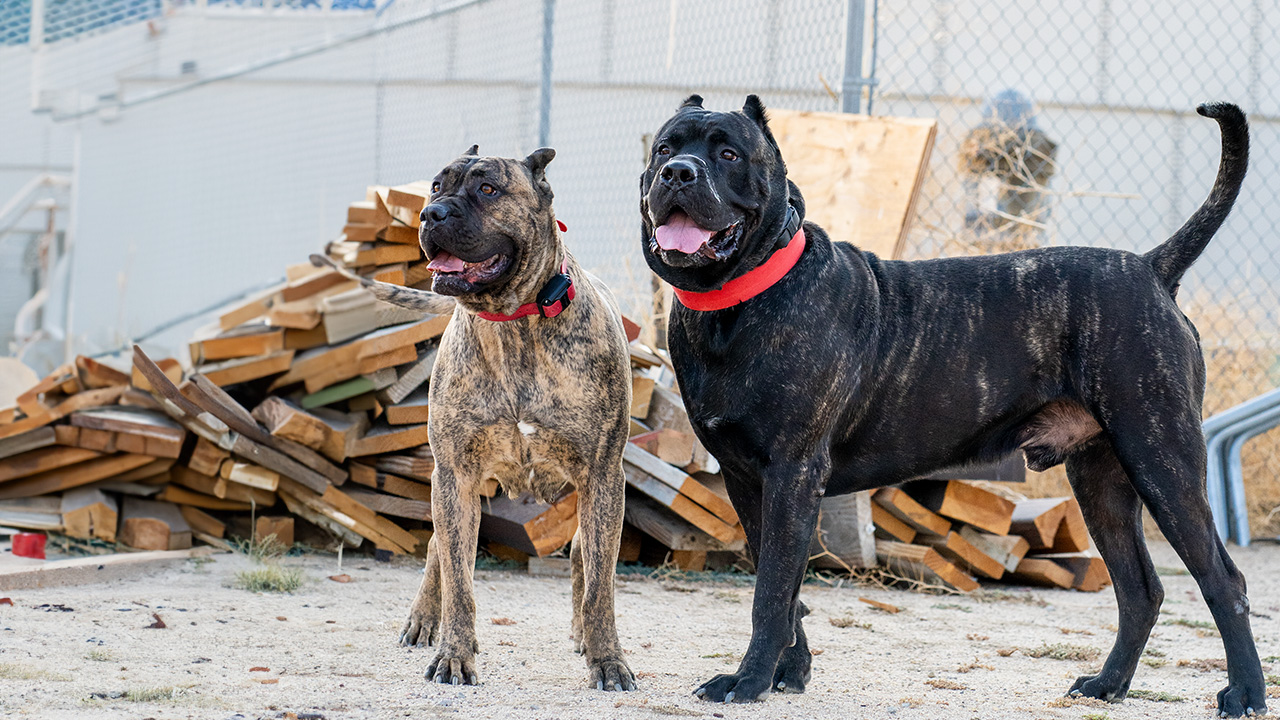
Brindle is another prevalent color in Presa Canarios. It consists of dark stripes over a lighter base color, usually fawn or red. The stripes can vary in width and density, giving each brindle Presa Canario a unique appearance.
Table 1: Common Colors and Their Characteristics
| Color | Characteristics | Commonality |
|---|---|---|
| Fawn | Light tan to deep reddish-brown, often with a black mask | Very Common |
| Brindle | Dark stripes over a lighter base color | Common |
Rare Colors in Presa Canarios
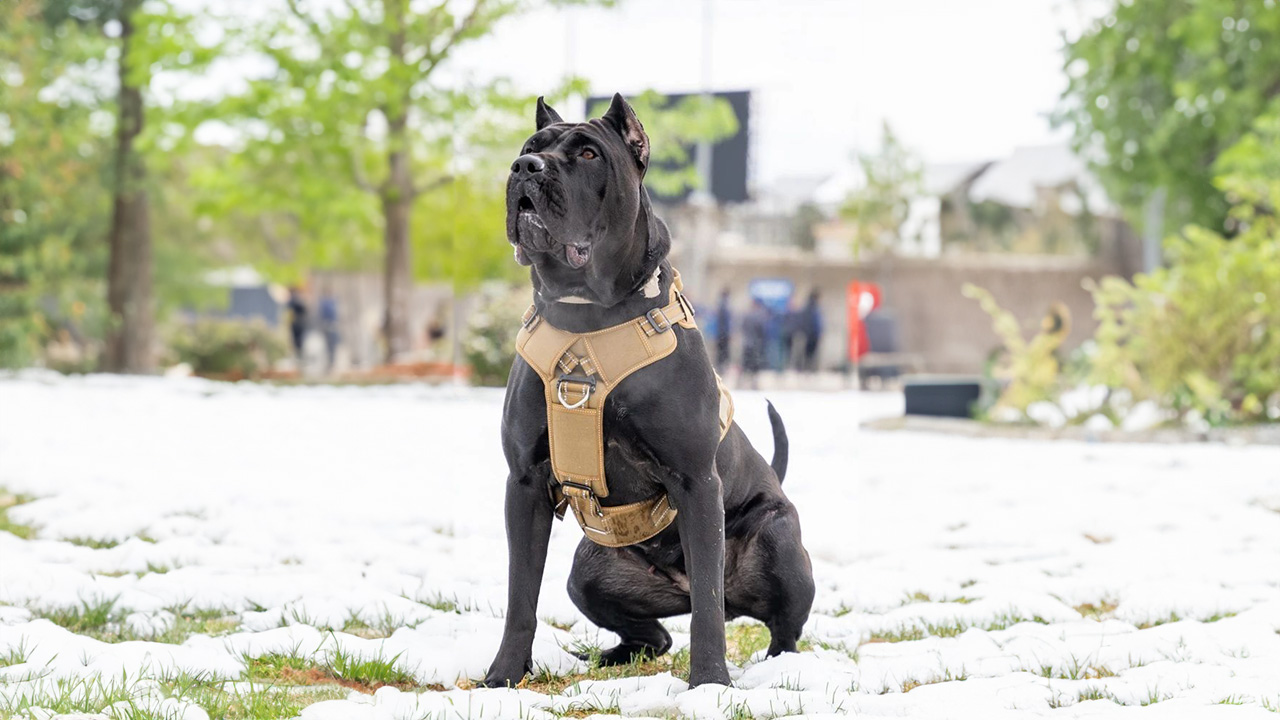
Black
Black is a less common color in Presa Canarios. A true black Presa Canario should not have any white markings, as this is considered a fault according to breed standards.
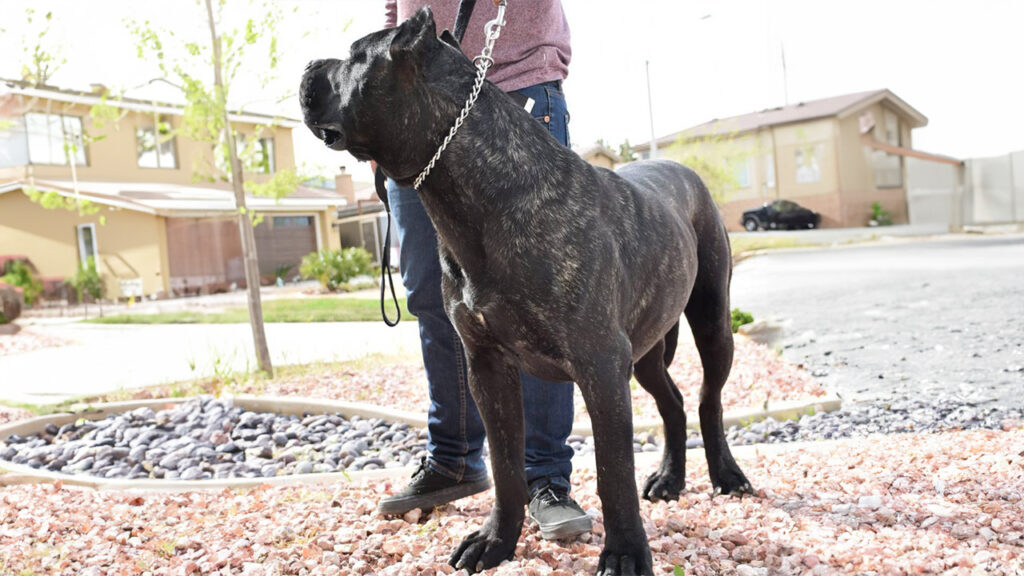
Reverse Brindle
Reverse brindle is a unique variation where the fawn coat has black or red striping on top of it. In this case, the stripes are so dense that they almost overpower the lighter base color, making the dog appear almost solid black or dark brown at first glance.
Table 2: Rare Colors and Their Characteristics
| Color | Characteristics | Commonality |
|---|---|---|
| Black | Solid black, no white markings | Rare |
| Reverse Brindle | Fawn coat with black or red striping on top | Rare |
Disqualified Colors
According to breed standards, certain colors are considered faults or disqualifications. These include:
- White: Any Presa Canario with a predominantly white coat is disqualified.
- Merle: This mottled pattern is also considered a disqualification in Presa Canarios.
Coat Type and Maintenance
The Presa Canario has a short, coarse coat that is relatively easy to maintain. Regular brushing is sufficient to keep the coat healthy, regardless of its color.
Conclusion
The Presa Canario comes in a variety of captivating colors, each with its own set of characteristics and commonality. While fawn and brindle are the most common, rare colors like black and reverse brindle also exist. However, it's crucial to note that colors like white and merle are considered disqualifications according to breed standards. The coat is generally short and coarse, requiring minimal maintenance. Understanding the range of colors available can help prospective owners make an informed decision when choosing a Presa Canario puppy.
References
- The Unmatched Joy of Owning a SoCalPresa Presa Canario Puppy
- Guide to Presa Canario Puppies for Sale
In my opinion, the diversity in coat colors adds an extra layer of allure to the already magnificent Presa Canario. It not only provides aesthetic pleasure but also serves as an indicator of the dog's lineage and health. Therefore, understanding the colors and their implications is not just a superficial endeavor but a crucial aspect of responsible dog ownership.
Part 3: The Significance of Coat Colors in Presa Canarios
Genetic Factors
Understanding the genetics behind the coat colors can offer valuable insights into the lineage and health of a Presa Canario. The colors are determined by a combination of genes inherited from both parents. For instance, the fawn color is generally a result of recessive genes, while the brindle pattern is dominant. Black, being a rare color, often requires specific genetic combinations.
Health Implications
While coat color itself is not directly linked to health, certain genetic conditions that affect color can have health implications. For example, the merle gene, which is considered a disqualification in Presa Canarios, is associated with a range of health issues, including deafness and blindness.
Aesthetic Preferences
The coat color can significantly influence the dog's overall appearance and, consequently, its appeal to prospective owners. Some people may prefer the classic look of a fawn Presa Canario, while others might be drawn to the uniqueness of a reverse brindle.
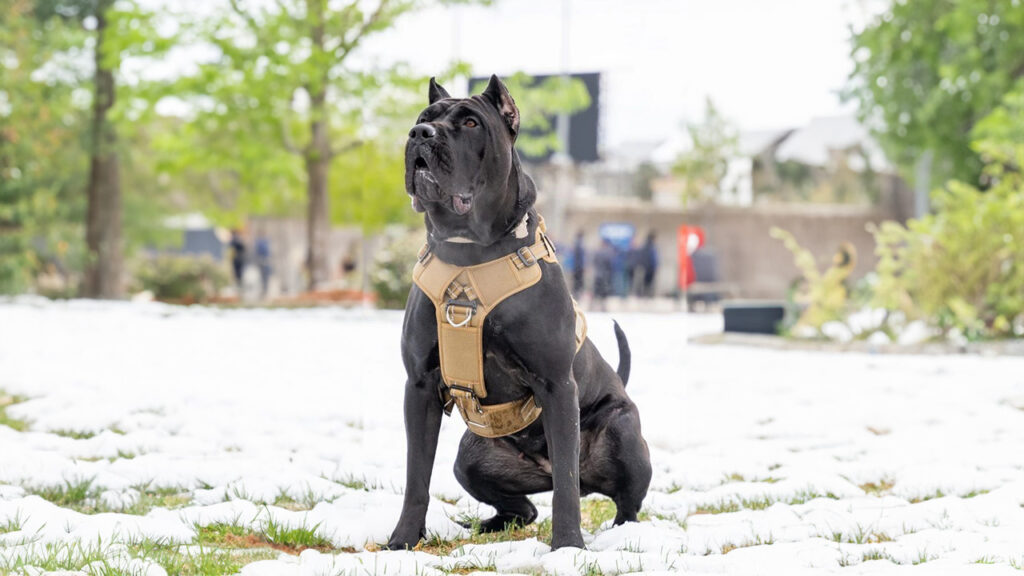 Table 3: Significance of Coat Colors
| Aspect | Importance |
|---|---|
| Genetic Factors | Understanding lineage and potential for specific colors |
| Health Implications | Certain genes affecting color can also affect health |
| Aesthetic Preferences | Coat color can influence the dog's overall appeal |
Choosing the Right Color
When selecting a Presa Canario, it's crucial to consider not just the color but also the dog's temperament, health, and lineage. Here are some tips for choosing the right color:
- Research: Familiarize yourself with the breed standards and what colors are considered common, rare, or disqualified.
- Consult Experts: Speak to breeders and veterinarians to understand the implications of different coat colors.
- Visit Kennels: Seeing the dogs in person can give you a better sense of what color appeals to you.
- Consider Your Lifestyle: Some colors may require more maintenance than others.
- Health Checks: Ensure that the dog you choose is healthy, regardless of its coat color.
Conclusion: The Multifaceted Importance of Coat Color
The coat color of a Presa Canario is not merely a superficial trait but a complex characteristic influenced by genetics, health, and aesthetics. While fawn and brindle are the most common colors, rare variations like black and reverse brindle add to the breed's allure. However, it's essential to be aware of disqualified colors like white and merle, which are not only against breed standards but can also be indicators of potential health issues.
Understanding the significance of coat colors can enrich the experience of owning a Presa Canario, allowing you to appreciate not just its physical beauty but also its genetic heritage and overall well-being.
 References

- The Unmatched Joy of Owning a SoCalPresa Presa Canario Puppy
- Guide to Presa Canario Puppies for Sale
In my opinion, the coat color of a Presa Canario serves as a fascinating entry point into the deeper aspects of the breed. It's not just about the visual appeal but also about understanding the genetic makeup, health implications, and even the historical lineage of these magnificent dogs. Therefore, when choosing a Presa Canario, it's not enough to be swayed by the color alone; one must delve deeper to truly appreciate the complexity and beauty of this remarkable breed.