


Harmony at Home: Managing and Understanding Your Presa Canario's Barking Behavior
Understanding and reducing excessive barking in Presa Canarios, or any dog breed, is an important aspect of responsible dog ownership. Barking is a natural form of communication for dogs, but when it becomes excessive or disruptive, it's essential to address the underlying causes and implement effective strategies to manage it. Here's a comprehensive guide to understanding and reducing barking in Presa Canarios:
 Understanding Why Dogs Bark
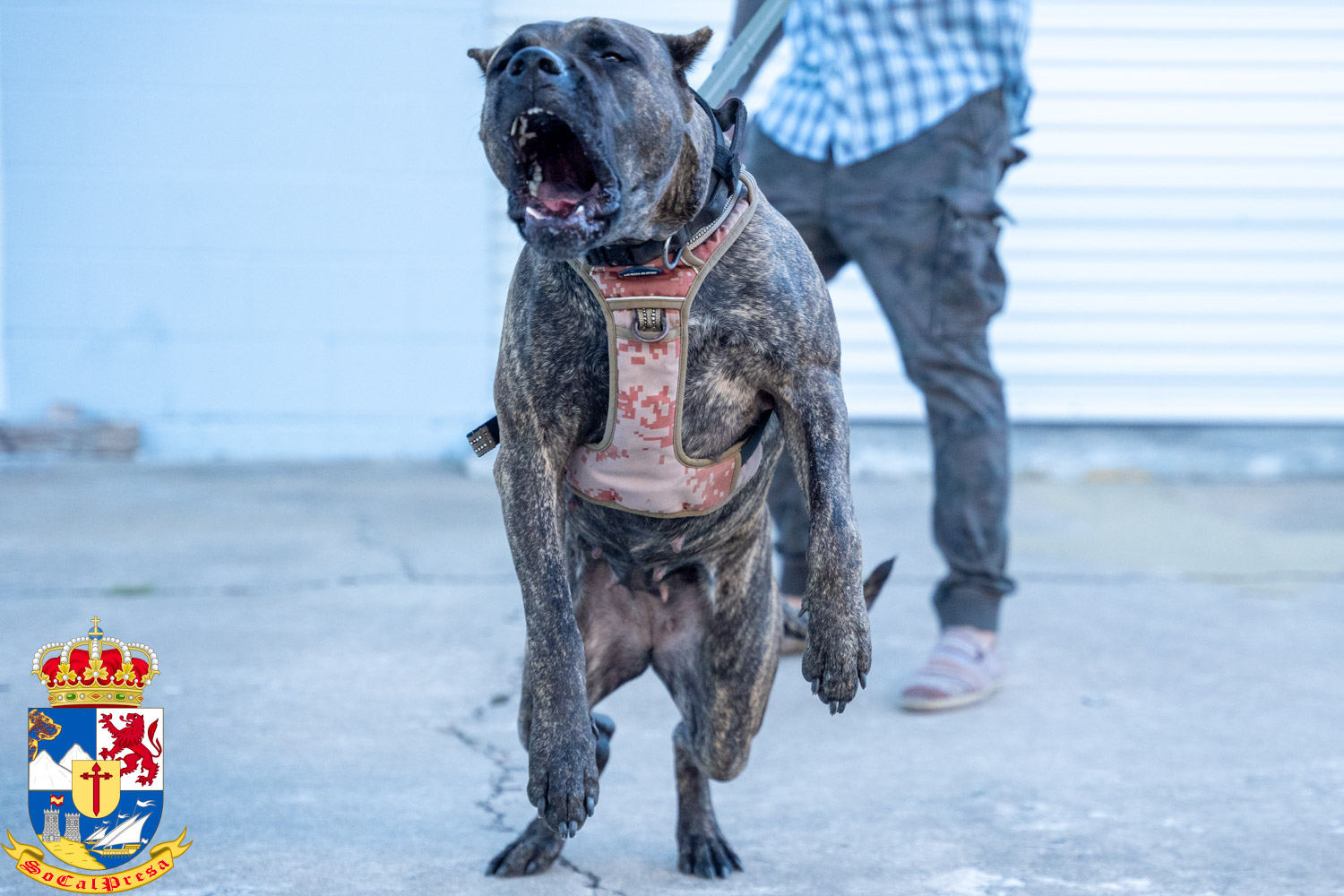
- Communication: Dogs bark to communicate. They may bark to express excitement, fear, alertness, boredom, or to get attention.
- Breed Characteristics: Presa Canarios are known for being protective and alert, which can lead to barking at perceived threats or strangers.
- Environmental Factors: Barking can be triggered by environmental stimuli such as loud noises, other animals, or unfamiliar people.
Identifying the Causes of Barking
- Attention-Seeking Behavior: Some dogs bark to get attention or a response from their owners.
- Boredom or Loneliness: Lack of mental and physical stimulation can lead to excessive barking.
- Fear or Anxiety: Dogs may bark when they feel threatened or anxious.
- Territorial Behavior: Barking to defend their territory is common in guard breeds like the Presa Canario.
Training and Behavior Modification
- Basic Obedience Training: Teach commands like "quiet" or "stop." Use positive reinforcement to reward silence.
- Desensitization and Counterconditioning: Gradually expose your dog to the stimuli that trigger barking and reward calm behavior.
- Avoid Reinforcing the Barking: Don’t give attention or treats to quiet a barking dog, as this can reinforce the behavior.
Providing Adequate Exercise and Stimulation
- Physical Exercise: Ensure your Presa Canario gets enough physical exercise to burn off excess energy.
- Mental Stimulation: Provide mental challenges through training, puzzle toys, and games.
Managing the Environment
- Control Visual Stimuli: Limit what your dog can see if they bark at visual triggers like people or animals passing by.
- Reduce Auditory Triggers: If noise triggers the barking, try to minimize exposure to these sounds, or use background music to mask them.
Seeking Professional Help
- Consult a Veterinarian: Rule out any medical conditions that might be causing excessive barking.
- Work with a Dog Behaviorist: If the barking is due to behavioral issues, consider consulting a professional dog trainer or behaviorist.
Using Anti-Barking Devices Cautiously
- Consider the Use of Devices: Devices like bark collars can be used, but they should be a last resort and used under professional guidance.
- Avoid Punishment: Avoid methods that cause fear or pain, as they can exacerbate the problem and damage your relationship with your dog.
Conclusion and Personal Opinion
Understanding and addressing excessive barking in Presa Canarios requires patience, consistency, and a commitment to training and exercise. It's important to remember that barking is a form of communication for dogs, and completely eliminating it is neither possible nor desirable.
From a personal perspective, the key to reducing excessive barking lies in understanding the cause of the behavior and addressing it in a humane and effective manner. This often involves a combination of training, environmental management, and ensuring the dog's physical and mental needs are met. With the right approach, you can successfully manage barking in your Presa Canario, leading to a more peaceful coexistence and a stronger bond between you and your pet.


Golden Years Guide: Nurturing Your Senior Presa Canario with Care and Compassion
Aging in Presa Canarios, like in any other dog breed, brings about significant changes in their physical health, behavior, and overall needs. Senior Presa Canarios require specific care that addresses their age-related issues while ensuring their comfort and quality of life. Understanding and adapting to these changes can help you provide the best care for your aging canine companion.
Understanding the Aging Process in Presa Canarios
- Age Range: Presa Canarios are generally considered senior around 7-8 years of age. However, this can vary depending on the individual dog's health and size.
- Common Age-Related Changes: Look out for signs of aging such as reduced mobility, vision and hearing loss, weight gain or loss, dental issues, and changes in behavior.
 Health Care for Senior Presa Canarios

- Veterinary Check-ups: Increase the frequency of veterinary visits. Senior dogs should have a check-up at least twice a year.
- Monitoring for Health Issues: Be vigilant for signs of common age-related diseases like arthritis, diabetes, heart disease, kidney disease, and cognitive dysfunction.
- Medication and Supplements: Your vet may recommend medications or supplements to manage health issues or improve joint health.
Nutrition and Diet
- Dietary Adjustments: Senior dogs may need diets with different calorie counts, ingredients, or consistency. Consult your vet for dietary recommendations.
- Weight Management: Maintaining a healthy weight is crucial to reduce the strain on their joints and organs.
Exercise and Mobility
- Gentle Exercise: Continue to provide regular exercise but adjust the intensity and duration to suit your dog’s stamina and mobility.
- Mobility Aids: As they age, some dogs may need assistance with mobility. Ramps, orthopedic beds, and support harnesses can be very helpful.
Comfort and Quality of Life
- Comfortable Sleeping Area: Provide a warm, comfortable, and easily accessible sleeping area. Orthopedic dog beds can provide extra cushioning for arthritic joints.
- Accessibility: Make sure your home is senior-dog friendly. Minimize the need for them to climb stairs and ensure that floors are not slippery.
Mental Health and Stimulation
- Mental Stimulation: Keep their minds active with interactive toys, gentle play, and short training sessions to help combat cognitive decline.
- Social Interaction: Continue to provide social interaction with people and other pets, but respect their need for more rest and quiet time.
Grooming and Hygiene
- Regular Grooming: Older dogs may struggle to groom themselves. Regular brushing will help prevent matting and skin issues.
- Dental Care: Dental health is crucial. Brush their teeth regularly and provide dental chews or toys.
End-of-Life Considerations
- Quality of Life: Monitor their quality of life and consult with your veterinarian about end-of-life care and decisions.
- Emotional Support: Providing emotional support and comfort to your aging dog is vital. Spend quality time and show them love and affection.
Conclusion and Personal Opinion
Caring for a senior Presa Canario requires patience, understanding, and adjustment to their evolving needs. It's a time to give back to your faithful companion, ensuring their golden years are as comfortable and joyful as possible.
In my view, the bond between a dog and its owner often deepens during these senior years. There’s a unique beauty in caring for a pet that has been a loyal companion through various stages of life. It’s about cherishing each day and providing the care they deserve to age gracefully and with dignity.
Echoes of Heritage: The Presa Canario's Enduring Legacy in Canary Island Culture
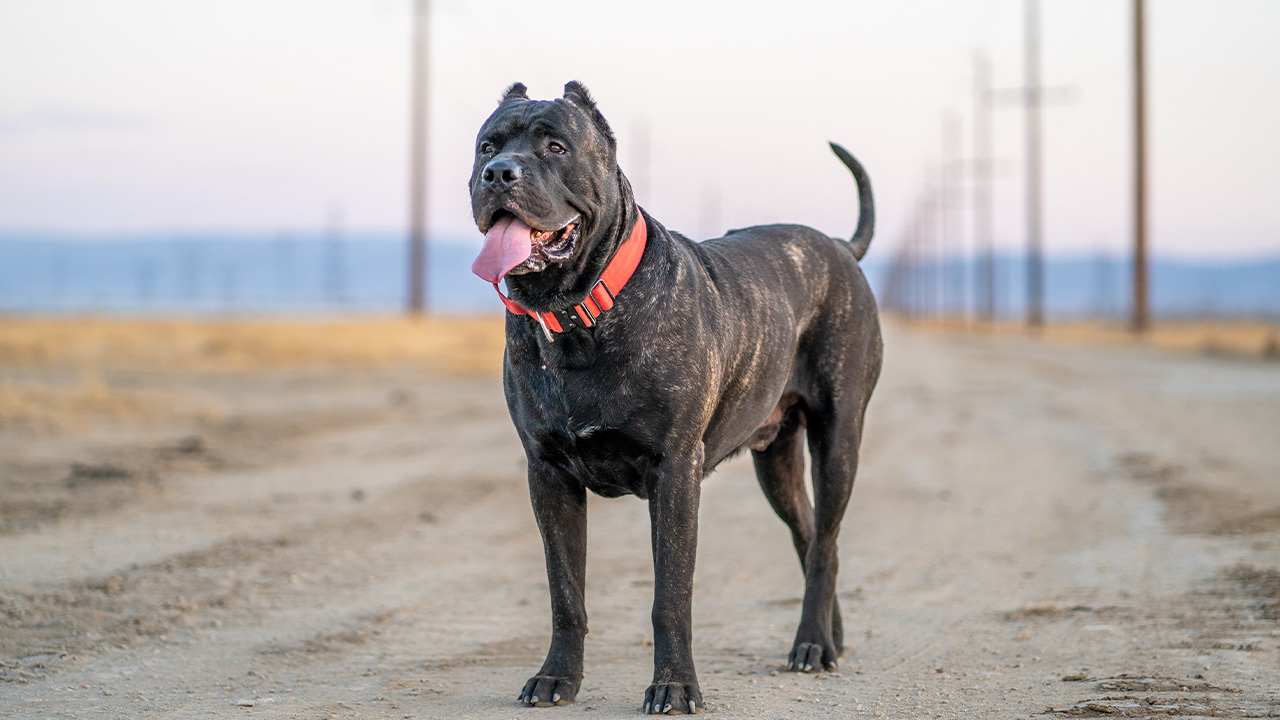
The Presa Canario, a breed of dog originating from the Canary Islands, holds a unique position in the cultural and historical tapestry of this Spanish archipelago. Known locally as "Perro de Presa Canario," this dog has evolved from being a working breed to becoming a symbol of cultural pride and heritage in the Canary Islands. In this context, its cultural significance can be explored through various aspects:
Historical Role and Evolution
- Origins: The Presa Canario's ancestry can be traced back to the 15th century when the Spanish conquest of the Canary Islands began. The breed is believed to have developed through the crossing of local island dogs with mastiffs and other large breeds brought by Spanish settlers.
- Working Dog: Historically, the Presa Canario was used for guarding farms, herding cattle, and even in dog fighting, which was a common practice until it was banned.
Symbol of Canarian Identity
- Cultural Emblem: The Presa Canario has grown to be more than just a dog breed in the Canary Islands; it's a symbol of regional identity and pride. This is particularly significant in a region with a distinct culture within the broader Spanish national context.
- Representation in Arts and Media: The breed is often depicted in local art, literature, and media, further cementing its status as a cultural icon.
Impact on Local Traditions and Lifestyle
- Rural and Agricultural Significance: In rural and agricultural communities of the Canary Islands, the Presa Canario continues to play a role as a working dog, valued for its strength, bravery, and protective instincts.
- Festivals and Shows: Dog shows and festivals in the Canary Islands often feature the Presa Canario, celebrating its traits and lineage.
Preservation and Breeding
- Breeding Programs: There are concerted efforts to preserve the pure breed and its characteristics, which are seen as integral to Canarian heritage.
- Clubs and Associations: Local clubs and associations dedicated to the Presa Canario work towards educating people about the breed and promoting responsible breeding practices.
Tourism and International Recognition
- Attraction for Dog Enthusiasts: The breed has become an attraction for dog enthusiasts visiting the Canary Islands, with some seeking to learn about its history and characteristics.
- Global Ambassador: As the breed gains popularity worldwide, it also serves as an ambassador for Canarian culture, introducing aspects of the islands' heritage to a global audience.
Legal and Ethical Considerations
- Protection under Law: There are laws and regulations in place aimed at protecting the breed and ensuring its welfare, reflecting its importance to the Canarian community.
- Cultural Preservation Efforts: The regional government and cultural bodies recognize the Presa Canario as part of the Canarian heritage, supporting efforts to preserve and promote the breed.
Conclusion and Personal Opinion
The Presa Canario’s significance in the Canary Islands transcends its role as a mere pet or working animal. It is deeply intertwined with the region's history, culture, and identity. This breed's preservation and promotion are not only about maintaining genetic lineage but also about cherishing a living symbol of Canarian heritage.
From a personal standpoint, the story of the Presa Canario is a compelling example of how a dog breed can embody the spirit of a region and its people. It highlights the importance of respecting and preserving local breeds, not just for their physical attributes but for their cultural and historical significance. The Presa Canario, in this sense, stands as a proud testament to the rich and diverse cultural landscape of the Canary Islands.

Understanding the Temperament of Your Presa Canario Puppy
Understanding the temperament of your Presa Canario puppy is crucial for a harmonious relationship and effective training. Presa Canarios are known for their strong personalities, intelligence, and protective instincts. While each puppy may have individual traits, certain characteristics are common to the breed. By understanding these, you can tailor your approach to training, socialization, and daily interaction to suit your puppy’s specific temperament.
Key Traits of Presa Canario Temperament
- Loyalty and Attachment: Presa Canarios often form strong bonds with their owners, showing loyalty and affection.
- Protective Nature: They have a natural protective instinct, making them excellent guard dogs.
- Confidence and Assertiveness: This breed is known for its confidence, which can sometimes turn into assertiveness or dominance if not properly managed.
- Intelligence and Trainability: Presa Canarios are intelligent and respond well to training, but they also need mental stimulation to prevent boredom.
- Wariness of Strangers: They can be reserved or wary around strangers, underscoring the need for early and consistent socialization.
- Energy Levels: They are energetic and require regular exercise to channel their energy positively.
Socialization and Training
- Early Socialization: Expose your puppy to different people, environments, and animals to ensure they grow up to be well-adjusted.
- Consistent Training: Start training early with basic commands and gradually move to more complex training, focusing on obedience and behavior management.
- Positive Reinforcement: Use positive reinforcement techniques like treats and praise to encourage desired behaviors.
Understanding and Managing Dominance
- Leadership: Establish yourself as the pack leader. Leadership in this context means being a calm, assertive, and consistent guide.
- Setting Boundaries: It’s important to set clear rules and boundaries to manage dominance traits.
Exercise and Play
- Physical Activity: Ensure they get enough physical exercise through walks, play sessions, and training exercises.
- Mental Stimulation: Provide mental challenges with puzzle toys, scent games, or advanced training exercises to keep their minds active.
Handling Sensitivity
- Gentle Approach: Understand that despite their tough exterior, some Presa Canarios can be sensitive. Use a gentle approach in training and handling.
- Social Interactions: Monitor their reactions to various situations and gradually introduce them to new experiences.
Health and Behavioral Link
- Regular Health Check-ups: Keep up with veterinary appointments as health issues can sometimes influence behavior.
- Nutrition: A well-balanced diet is essential for their physical and mental well-being.
Conclusion
Understanding your Presa Canario puppy’s temperament is the first step in developing a strong, positive relationship. It’s about guiding them with confidence, consistency, and understanding. Remember, each puppy is unique, and getting to know their individual personality will help you tailor your approach to meet their specific needs. With the right training, socialization, and care, your Presa Canario puppy will grow into a loyal, confident, and well-behaved companion.

The Best Living Environments for Presa Canarios - A Quick Guide
The Presa Canario, a large and powerful dog breed, is known for its strong protective instincts and assertive temperament. The best living environments for these dogs are those that cater to their physical and psychological needs, providing a balance between space, stimulation, and structure. When considering the ideal living conditions for a Presa Canario, several key factors come into play:
Rural or Suburban Settings
- Space for Exercise: Presa Canarios thrive in environments where they have ample space to move around. Rural or suburban areas, where homes often have larger yards, are ideal.
- Lower Population Density: Less crowded areas can reduce the chances of conflicts with strangers or other animals, which is beneficial for a breed that can be territorial.
Secure Outdoor Space
- Fenced Yards: A securely fenced yard is crucial. It not only prevents the dog from wandering off but also protects them from potential threats and prevents situations where their protective nature could lead to aggressive encounters.
- Shelter and Comfort: Outdoor space should include sheltered areas to protect the dog from harsh weather conditions, along with comfortable resting spaces.
Environmental Enrichment
- Mental Stimulation: Presa Canarios need regular mental stimulation to prevent boredom and related behavioral issues. This can include interactive toys, training sessions, and playtime.
- Socialization Opportunities: Controlled socialization with other dogs and people is essential, preferably in a familiar and non-threatening environment.
Urban Living Considerations
- Adequate Exercise: In urban settings, where space might be limited, owners should ensure that the Presa Canario gets plenty of exercise through regular walks and active playtime.
- Noise and Crowds: These dogs might be sensitive to loud noises and crowded places, so living in quieter urban areas is preferable.
Indoor Living
- House Size: A larger house is preferable, giving the dog enough room to move around comfortably.
- Family Environment: Presa Canarios are known to be loyal and protective of their family. A stable and loving home environment plays a crucial role in their well-being.
Training and Socialization Facilities
- Access to Training Centers: Proximity to dog training centers or professional trainers can be a significant advantage, especially for a breed that requires consistent training and firm handling.
- Parks and Nature Trails: Access to parks or nature trails for walks and exploration can greatly enhance the quality of life for a Presa Canario.
Legal and Social Considerations
- Local Regulations: Be aware of any breed-specific legislation or housing restrictions in your area.
- Community Acceptance: Consider the general attitude towards large breeds in your community. It's important to have neighbors who are understanding and not fearful of your dog.
Conclusion and Personal Opinion
In my view, the best living environment for a Presa Canario is one that offers a balance between physical space, mental stimulation, and social interaction. While rural or suburban areas might naturally provide more space and a calmer environment, urban settings can also be suitable if the owner is committed to meeting the dog's exercise and stimulation needs.
Regardless of the setting, what truly matters is the commitment of the owner to provide a structured, loving, and stimulating environment. This includes regular training, exercise, socialization, and adherence to local laws and regulations. With the right environment and dedicated ownership, a Presa Canario can be a well-adjusted, loyal, and loving companion.

The Benefits of Buying a Presa Canario from a Reputable Breeder
Purchasing a Presa Canario from a reputable breeder like SoCalPresa comes with numerous benefits. When you choose a responsible breeder, you're not just buying a pet; you're gaining a family member who has been raised with the utmost care and expertise. Here are some key advantages of buying from a breeder who prioritizes the well-being and integrity of the breed:
Health and Genetic Screening
- Health Guarantees: Reputable breeders often provide health guarantees for their puppies, ensuring they are free from genetic diseases common to the breed.
- Proper Vaccinations: Puppies from SoCalPresa come with all necessary vaccinations and deworming, ensuring they have a healthy start to life.
Quality Breeding Practices
- Breed Standard: Reputable breeders adhere to breed standards, which means you get a Presa Canario that is a true representation of the breed in terms of size, temperament, and appearance.
- Ethical Breeding: Breeders like SoCalPresa follow ethical breeding practices, avoiding overbreeding and ensuring the health and well-being of the breeding dogs.
Socialization and Early Training
- Well-socialized Puppies: Puppies from reputable breeders are often well-socialized, having been exposed to various environments, sounds, and experiences, which is crucial for temperament development.
- Foundation Training: Many reputable breeders begin basic training like crate training and potty training, making the transition to a new home smoother.
Support and Guidance
- Expert Advice: Breeders like SoCalPresa can provide invaluable advice on caring for your Presa Canario, drawing from years of experience with the breed.
- Lifetime Support: Reputable breeders often offer lifetime support, willing to answer questions and provide guidance throughout the dog’s life.
Responsible Ownership Promotion
- Educating Owners: SoCalPresa takes the time to educate potential owners about the breed's requirements and characteristics, promoting responsible pet ownership.
- Matching Puppies with Owners: Breeders make efforts to match puppies with suitable owners, considering the lifestyle and experience of the prospective owner.
Transparency
- Openness: Reputable breeders are transparent about their breeding practices and are willing to show where the dogs are raised and how they are cared for.
Contribution to the Breed
- Improving the Breed: Breeders like SoCalPresa contribute to the betterment of the breed, focusing on improving health, temperament, and conformation.
Conclusion
Buying a Presa Canario from a reputable breeder like SoCalPresa ensures you get a healthy, well-socialized, and breed-standard dog. The benefits go beyond just acquiring a pet; you become part of an informed and responsible community of dog owners, with ongoing support and guidance. It’s a decision that not only impacts the life of your new canine companion but also contributes positively to the breed as a whole.

What to Expect When You're Bringing Home a Presa Canario Puppy
Bringing home a Presa Canario puppy is an exciting journey, filled with both joy and challenges. As a breed known for its strength, confidence, and protective nature, it's important to know what to expect and how to prepare for the arrival of your new furry family member. Understanding the breed's characteristics, preparing your home, and knowing the essentials of puppy care are crucial for a smooth transition.
Understanding the Breed
- Temperament: Presa Canarios are loyal, confident, and can be strong-willed. They are protective and may be wary of strangers, making early socialization crucial.
- Size and Strength: This breed grows into a large and powerful dog, so be prepared for a pet that requires space and strength to handle.
Preparing Your Home
- Safe Space: Create a safe, comfortable area for your puppy to rest and sleep. This should be a quiet place where they can retreat to.
- Puppy Proofing: Puppy-proof your home by removing anything that could be harmful to them, like toxic plants, electrical cords, and small objects that can be swallowed.
- Supplies: Stock up on supplies such as food and water bowls, a collar and leash, chew toys, grooming tools, and puppy food.
The First Days
- Arrival: Introduce your puppy to their new home calmly. Let them explore their new environment at their own pace.
- Routine: Establish a routine for feeding, toileting, and sleeping from the first day. Consistency is key to helping them settle.
- Veterinary Visit: Schedule a check-up with a vet within the first few days of bringing your puppy home.
Training and Socialization
- Basic Commands: Start with basic training commands like sit, stay, and come. Presa Canarios are intelligent and respond well to training.
- Socialization: Expose them to different people, sounds, and experiences to ensure they grow up to be well-rounded dogs.
- House Training: Be patient and consistent with house training. Puppies usually take some time to learn where and when to toilet.
Feeding and Nutrition
- Diet: Feed your puppy a high-quality diet suitable for large breeds. Consult with your vet for recommendations.
- Feeding Schedule: Establish a regular feeding schedule to maintain their digestive health.
Exercise and Play
- Physical Activity: Ensure they get adequate exercise as they grow. Presa Canarios are energetic and need regular physical activity.
- Mental Stimulation: Provide mental stimulation through interactive toys and games to keep them engaged and prevent boredom.
Health and Grooming
- Regular Check-ups: Keep up with vaccinations and regular health check-ups.
- Grooming: Introduce grooming early on. Regular brushing, nail trimming, and dental care are important.
Building a Bond
- Quality Time: Spend quality time with your puppy to build a strong bond. Play, training, and cuddling are great ways to connect.
- Positive Reinforcement: Use positive reinforcement techniques to encourage good behavior.
Conclusion
Bringing home a Presa Canario puppy is a commitment that requires preparation, patience, and dedication. Understanding their unique needs and providing a loving, structured environment will ensure your Presa Canario puppy grows into a well-adjusted and loyal companion. Remember, the effort you put in during the early days will pave the way for a rewarding lifelong relationship with your new pet.
Harmonizing Life with Your Presa Canario: The Power of a Consistent Routine
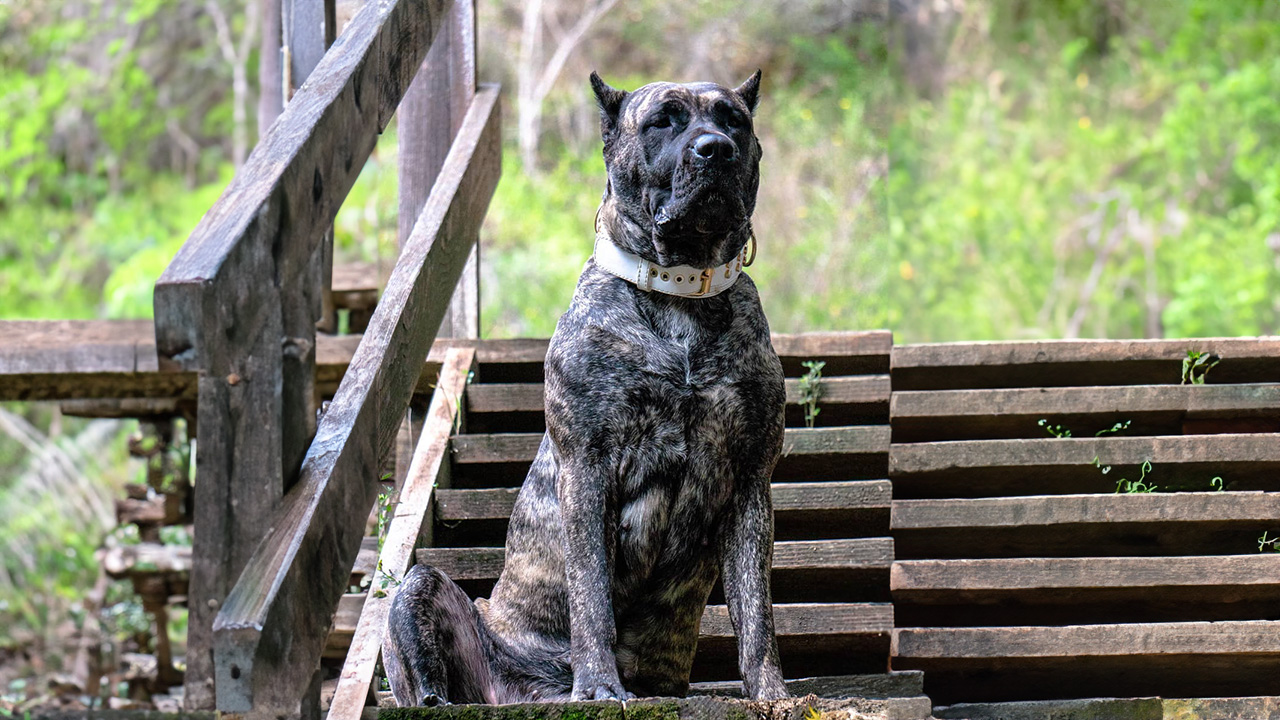
The importance of maintaining a consistent routine for your Presa Canario cannot be overstated. Like many dog breeds, Presa Canarios thrive on predictability and structure in their daily lives. Establishing and sticking to a regular routine is crucial for their physical, mental, and emotional well-being. This consistency helps foster a sense of security and stability, which is particularly important for a breed known for its strong will and protective nature.
Physical Health Benefits
- Regular Feeding Schedule: Consistent meal times help regulate your dog’s digestive system and can prevent issues like obesity or gastrointestinal problems.
- Exercise Routine: Regular exercise is essential for maintaining a healthy weight, muscle tone, and overall physical health. It also helps in releasing pent-up energy and preventing destructive behavior.
Mental and Emotional Stability
- Reduced Anxiety: Dogs, especially those with guarding instincts like the Presa Canario, can become anxious or stressed due to unpredictability. A routine provides a comforting structure.
- Behavioral Training: Consistency in training and commands reinforces learning and obedience, helping your dog understand expectations and boundaries.
Strengthening the Bond
- Trust and Security: Following a routine helps build trust and a sense of security between you and your dog. It demonstrates reliability, which is crucial for a strong bond.
- Quality Time: Incorporating regular playtime or bonding activities into the routine strengthens your relationship with your Presa Canario.
Socialization and Adaptation
- Consistent Socialization: Regular interaction with other dogs and people as part of the routine helps in socialization, reducing fear or aggression towards unfamiliar situations.
- Adaptation to Household Routines: Integrating your dog’s routine with your household routines (like feeding or walking them around your work schedule) ensures harmony at home.
Managing Behavioral Issues
- Preventing Destructive Behavior: A lack of routine can lead to boredom and frustration, often resulting in destructive behavior. Consistency in activities and training helps mitigate these issues.
- Routine in Training: Regular, consistent training sessions reinforce desired behaviors and help manage any inherent protective or dominant traits.
Tips for Establishing a Routine
- Start Early: If your Presa Canario is a puppy, start establishing a routine as early as possible.
- Consistent Sleep/Wake Times: Try to wake up and go to bed at the same time every day, setting a consistent rhythm for your dog.
- Regular Meal and Exercise Times: Set specific times for meals and exercise and stick to them as closely as possible.
- Training and Playtime: Allocate specific times for training and play. This not only provides mental stimulation but also sets clear expectations for your dog.
Conclusion
A consistent routine is a cornerstone of responsible Presa Canario ownership. It not only ensures their physical and mental well-being but also helps in managing their natural instincts and behaviors. By providing a predictable environment, you enhance your Presa Canario’s quality of life and deepen the bond you share. It’s a commitment that requires time and effort but pays off immensely in the health and happiness of your canine companion.

Understanding and Managing Seasonal Changes in Presa Canario Behavior
Understanding and managing seasonal changes in Presa Canario behavior involves recognizing how different times of the year can affect their mood, energy levels, and overall well-being. Like many breeds, Presa Canarios may exhibit behavioral changes in response to seasonal variations in weather, daylight, and routine. Being aware of these changes and knowing how to address them is key to ensuring your dog remains happy and healthy throughout the year.
Recognizing Seasonal Behavioral Changes
- Winter: In colder months, dogs might be less active and spend more time indoors. They may also seek more warmth and comfort.
- Spring: The onset of spring can bring increased energy levels and a desire to be more active outdoors.
- Summer: High temperatures in summer can lead to lethargy, especially in a large breed like the Presa Canario. They might seek cooler places and need more water.
- Fall: As daylight decreases, some dogs may show signs of mood changes or decreased activity.
Managing Seasonal Behavior
- Exercise Adjustments: Tailor your dog’s exercise routine to the season. In summer, walk them during cooler parts of the day. In winter, shorter, more frequent walks might be more appropriate.
- Indoor Stimulation: During extreme weather conditions, provide indoor activities to keep them mentally stimulated, such as puzzle toys or indoor training games.
- Temperature Control: Ensure they have a cool place to relax in the summer and a warm, cozy spot in the winter.
- Dietary Considerations: Monitor their diet as activity levels change. They might need more calories in colder months and fewer in warmer months.
- Regular Check-ups: Seasonal changes can sometimes exacerbate health issues. Regular veterinary check-ups are important.
Addressing Seasonal Affective Disorder (SAD)
- Light Exposure: Increased exposure to natural light can help combat SAD. Ensure your dog gets sunlight during shorter daylight hours.
- Consistent Routine: Keeping a consistent routine despite the changing seasons can provide stability and reduce stress.
Grooming and Skin Care
- Seasonal Grooming: Adjust grooming routines as needed. They may require more frequent brushing during shedding seasons.
- Skin Care: Monitor their skin for any issues that might arise due to changes in humidity or temperature.
Preparing for Seasonal Allergies
- Allergy Awareness: Be aware of any seasonal allergies. Symptoms can include itching, sneezing, or irritation.
- Veterinary Advice: Consult your vet if you suspect your dog is suffering from allergies. They can recommend appropriate treatments.
Conclusion
Seasonal changes can have a notable impact on the behavior and health of Presa Canarios. By understanding these changes and how to manage them, you can ensure your dog stays comfortable and content all year round. Remember, each dog is unique, so it’s important to pay attention to your dog's specific reactions to seasonal changes and adjust their care accordingly. With the right approach, you can help your Presa Canario navigate the challenges each season brings, maintaining their health and happiness.